The hands behind every piece

Three craft communities, three regions of India, one working principle: we buy directly from the people who make the piece — no trading agent in between.

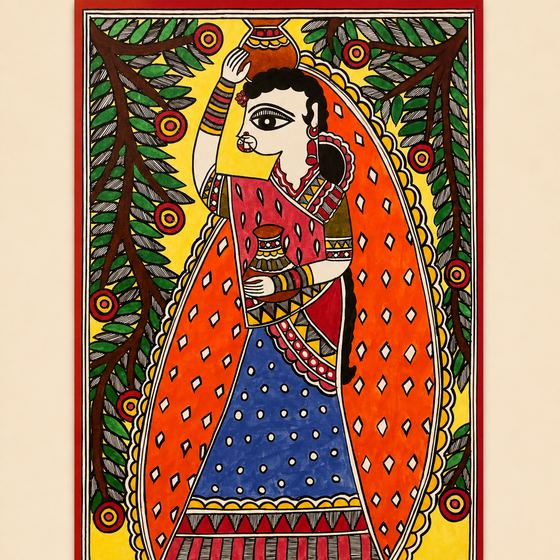
Hand-painted Madhubani artwork on handmade paper, fine natural-pigment linework

Mithila, Bihar

These walls became paper.

For centuries, Madhubani was painted directly onto the mud walls of homes in the Mithila region — by women, for weddings and festivals, never intended to be sold or even kept. Walls get replastered; the art simply disappeared and was repainted, generation after generation.

That changed in 1966. A severe drought hit Bihar, and the All India Handicrafts Board sent an artist to the region who suggested the women paint on paper instead, so the work could be sold and provide income during the crisis. An art form thousands of years old became something a person could actually own — within living memory.

Every piece we export is still painted entirely by hand, in natural pigment, on handmade paper. No prints. No two are identical.
Tribal Chhattisgarh & Odisha

A mould that is broken every single time.

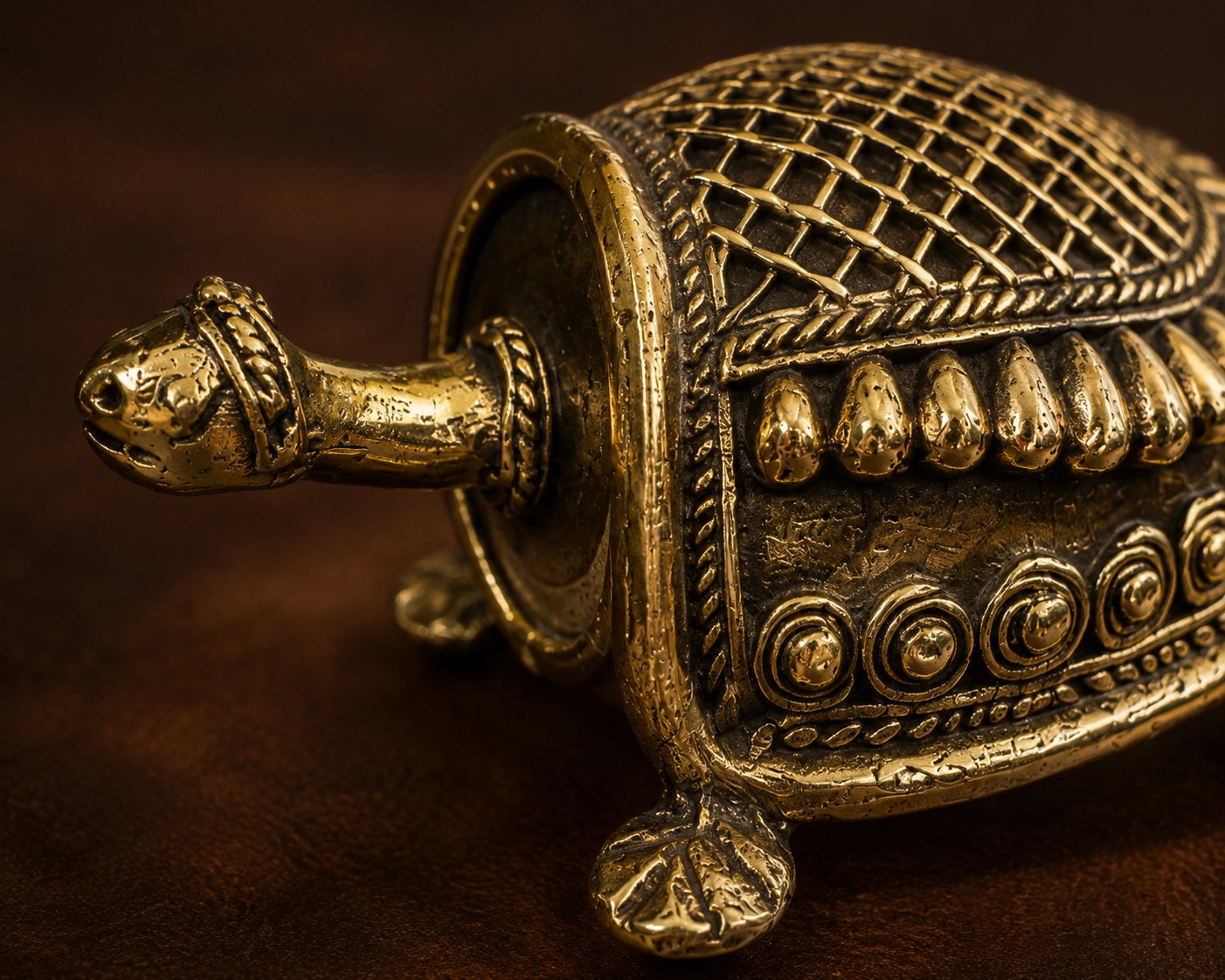
Dhokra brass casting is one of the oldest known metal-casting techniques still practiced today — roughly four thousand years old, largely unchanged. Artisans in the tribal belt of Chhattisgarh and Odisha build a model in beeswax, coat it in layered clay, then fire the whole thing: the wax melts and drains away, molten brass is poured into the cavity it leaves behind, and once it cools, the clay shell is broken open to release the piece.

Because the mould only survives one casting, every Dhokra piece is structurally one-of-one — even two castings from the same wax model will carry small, honest differences in texture.

Detailed lost-wax cast texture on a Dhokra brass sculpture
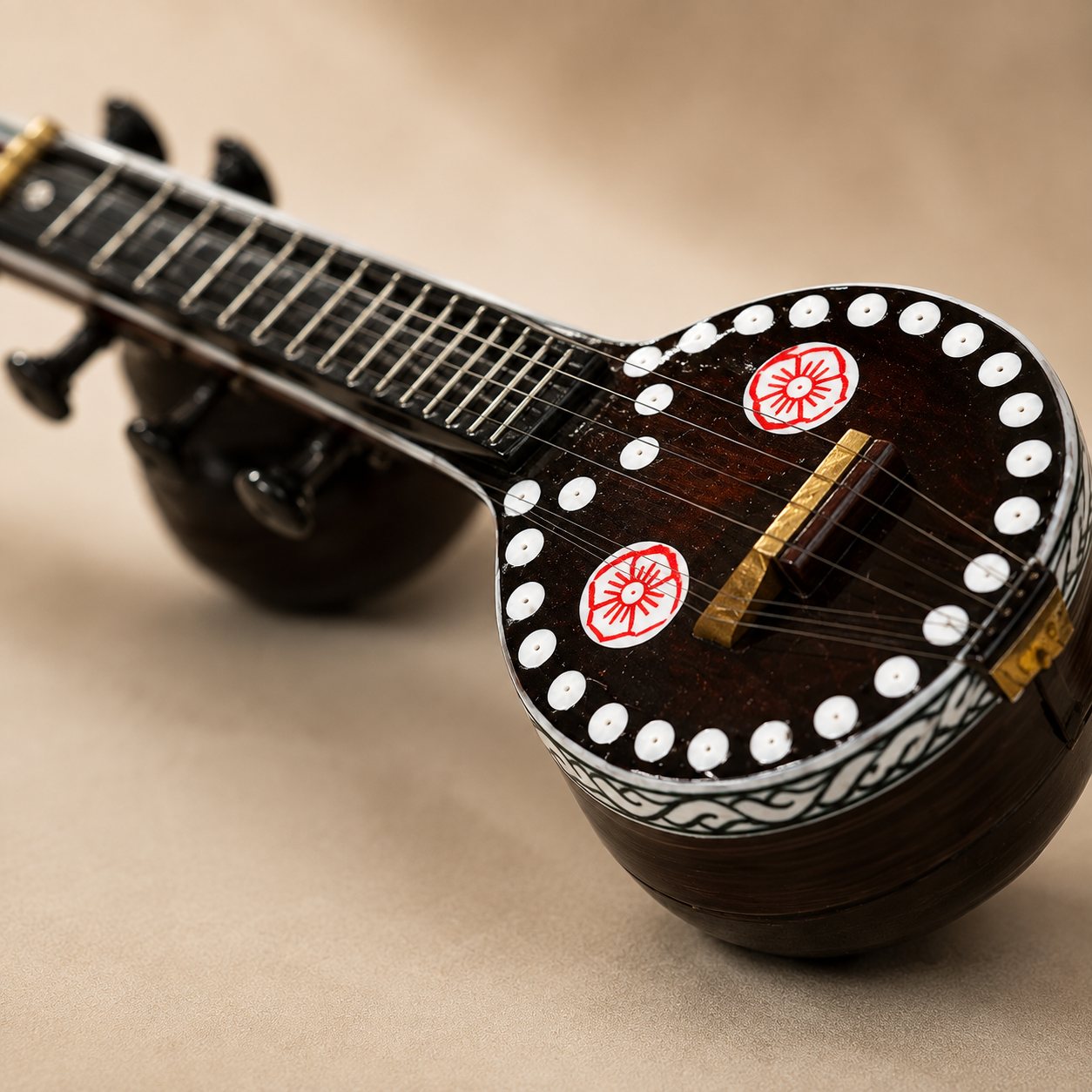
Close detail of hand-carved rosewood inlay on a Bobbili Veena miniature

Bobbili, Andhra Pradesh

One family, one instrument, protected by law.

In the town of Bobbili, a single family workshop has built full-size veenas — the South Indian classical instrument — for generations. The miniatures we export, in six-inch and nine-inch sizes, are carved from rosewood using the same joinery and inlay techniques, scaled down from an instrument meant for the concert stage to one meant for a shelf.

The Bobbili Veena carries Geographical Indication (GI) status under Indian law — formal recognition that this craft, and the right to call an instrument by this name, belongs specifically to this place and cannot legally be replicated elsewhere and sold under the same name.

A note on this page

We've chosen not to publish staged portraits or invented biographies of individual artisans until we can do it properly — with real names, real villages and their permission. What's written above is accurate to how each craft works and where it comes from. As we complete studio visits, this page will be updated with named artisan profiles and photography. If you're a wholesale partner and want more detail before then, ask us directly — we'll tell you what we know.

Process

From sketch to your door

01

Sketch & Mould

Madhubani begins as a pencil outline on handmade paper; Dhokra begins as a hand-built wax model over a clay core.

02

Craft

Natural pigment is layered by hand in fine linework, or molten brass is poured into the fired clay mould and left to cool.

03

Finish

The clay mould is broken away to reveal the casting, or final detailing and borders are added to the painting.

04

Pack & Ship

Paintings are rolled into rigid tubes; brass and Veena pieces are cushioned and boxed, then flown out from Mumbai.

Want to see the pieces in person first?

We'll send a sample at our cost — you cover freight only. If it's not what we've described, you've lost the shipping and we've lost a piece, and that's a fair trade for both of us.

Request a Sample